

Designing Solar Systems
What started as a simple hunt for a “single source of truth” grew into something much bigger. Over the years, I’ve helped brands like DHL Group and Carlsberg Group turn messy pattern libraries into fully-fledged, multi-brand design systems. Along the way we bridged code and design, built scalable UI libraries, and shaped a global Figma toolkit that keeps everything in sync.


Design Systems Architect, DesignOps
Agency
Publicis Sapient
Clients
DHL Group, Carlsberg Group, Diriyah Co.
2020 - today

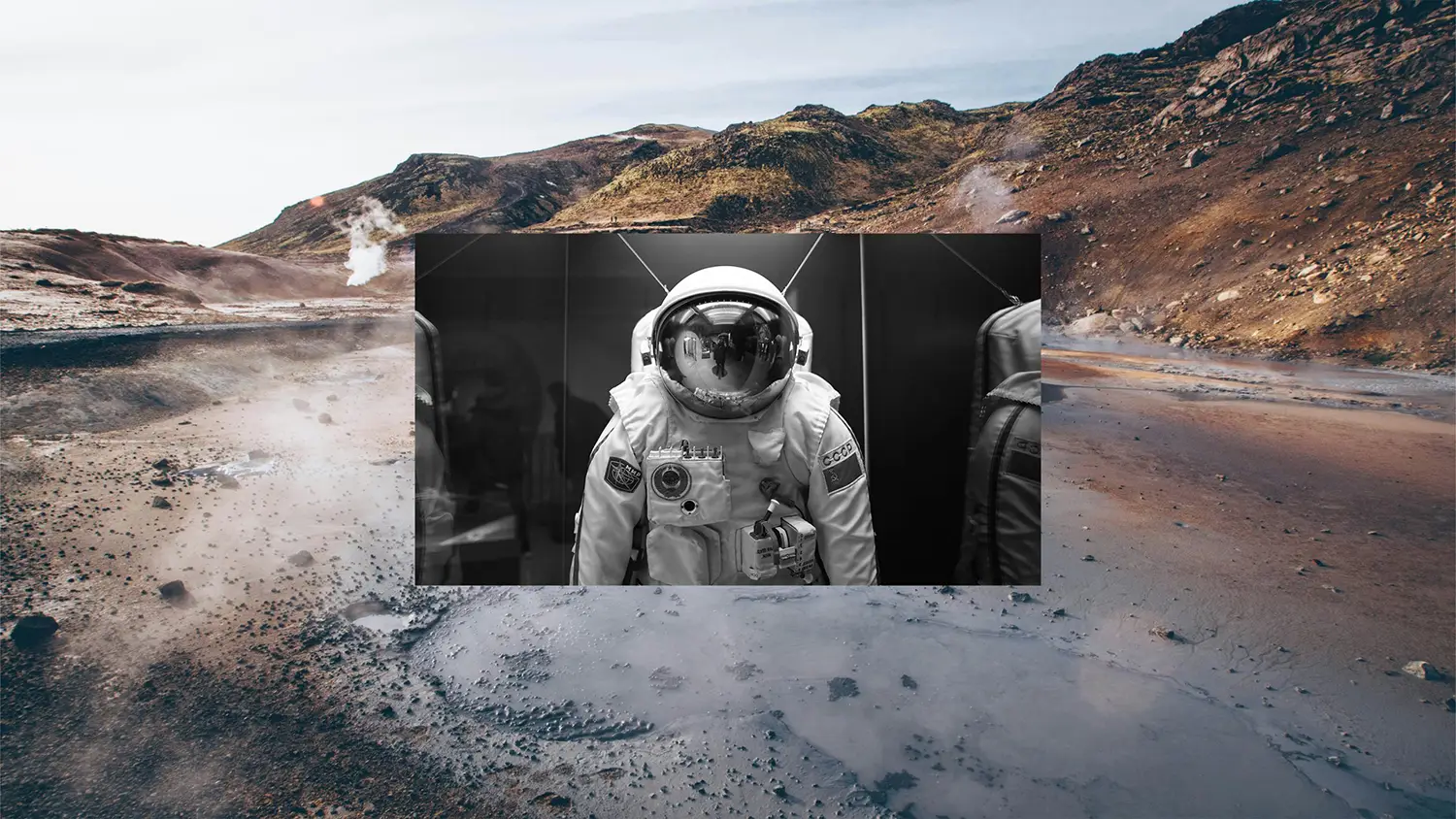
Not just a toolkit... it's a solar system you build.
You define the core, set the gravity, and bring UX, UI, Development, Product, and Brand into one orbit. When everything aligns, teams move faster, stay connected, and still have space for each brand to shine.
The real work starts once the foundation is set – the thinking, the structure, and the routines that turn a system from theory into something teams rely on every day. The sections below unpack how that happened: how collaboration was shaped, how tokens became the glue, and how the toolkit grew into a fast, predictable way of working.
- 30–50% less design effort – shared foundations replace repeated UI decisions across brands and teams.
- 20–30% higher development output – tested components and clearer design-to-code handover speed up build cycles.
- 25–40% less rework and QA effort – shared standards and reusable assets cut inconsistencies and correction cycles.
- 30–50% faster rollout potential – new brands and products launch from an established system instead of starting cold.
The Principals here aren't Theory
They’re shaped by real work across global brands.
Each project refined the balance between creativity, structure, and collaboration, from brand theming to governance, from token logic to Figma infrastructure. I’ve built and led these systems in live environments with real teams and real impact – getting smarter every time.
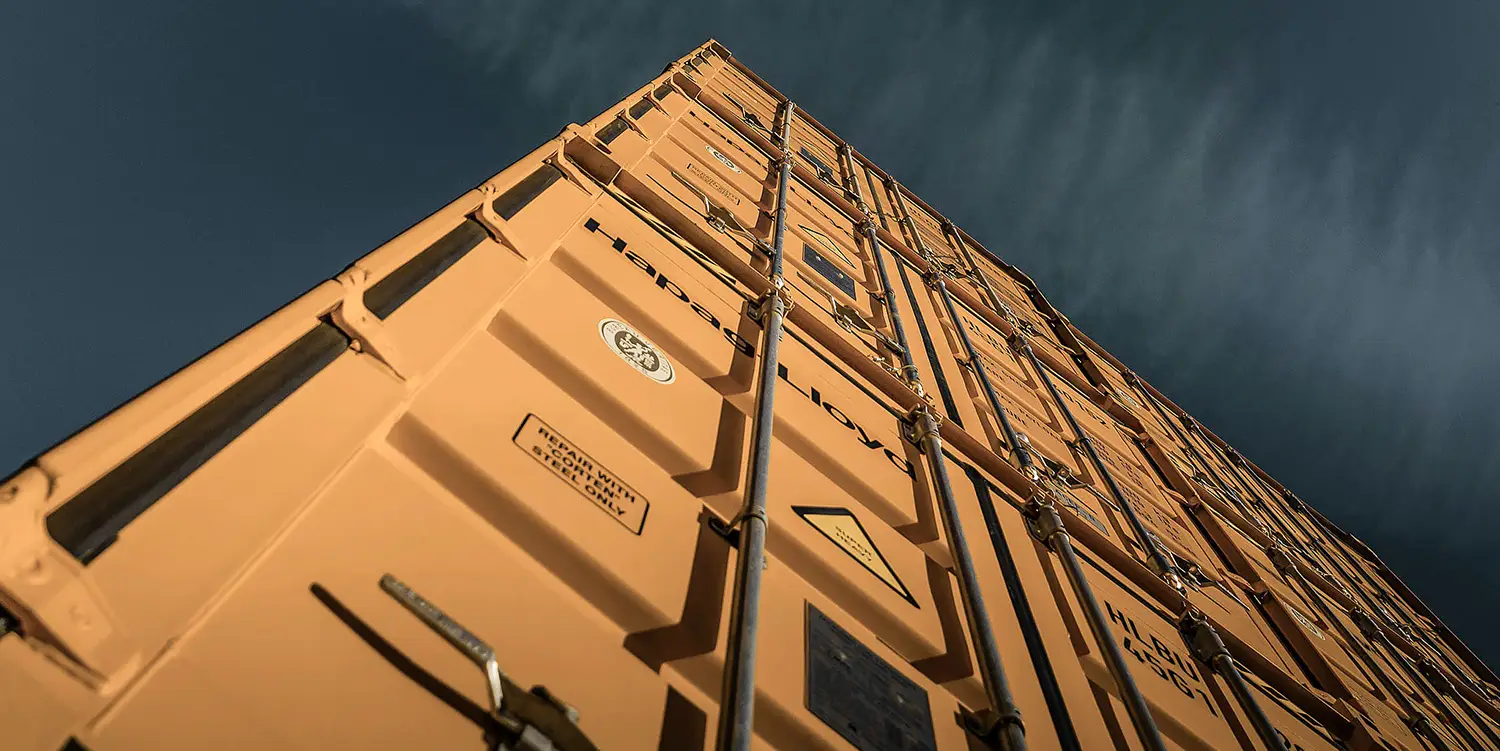
Global Logistics & Connectivity Leader, Europe
Status: Active
A world-spanning logistics powerhouse connecting people, markets, and economies across borders and time zones. Behind its promise of speed and reliability sits a vast digital ecosystem. We unified this landscape through a single design system foundation – tokens, components, and shared principles that align design and engineering at scale. Built for efficiency, consistency, and unmistakable presence across every digital touchpoint.
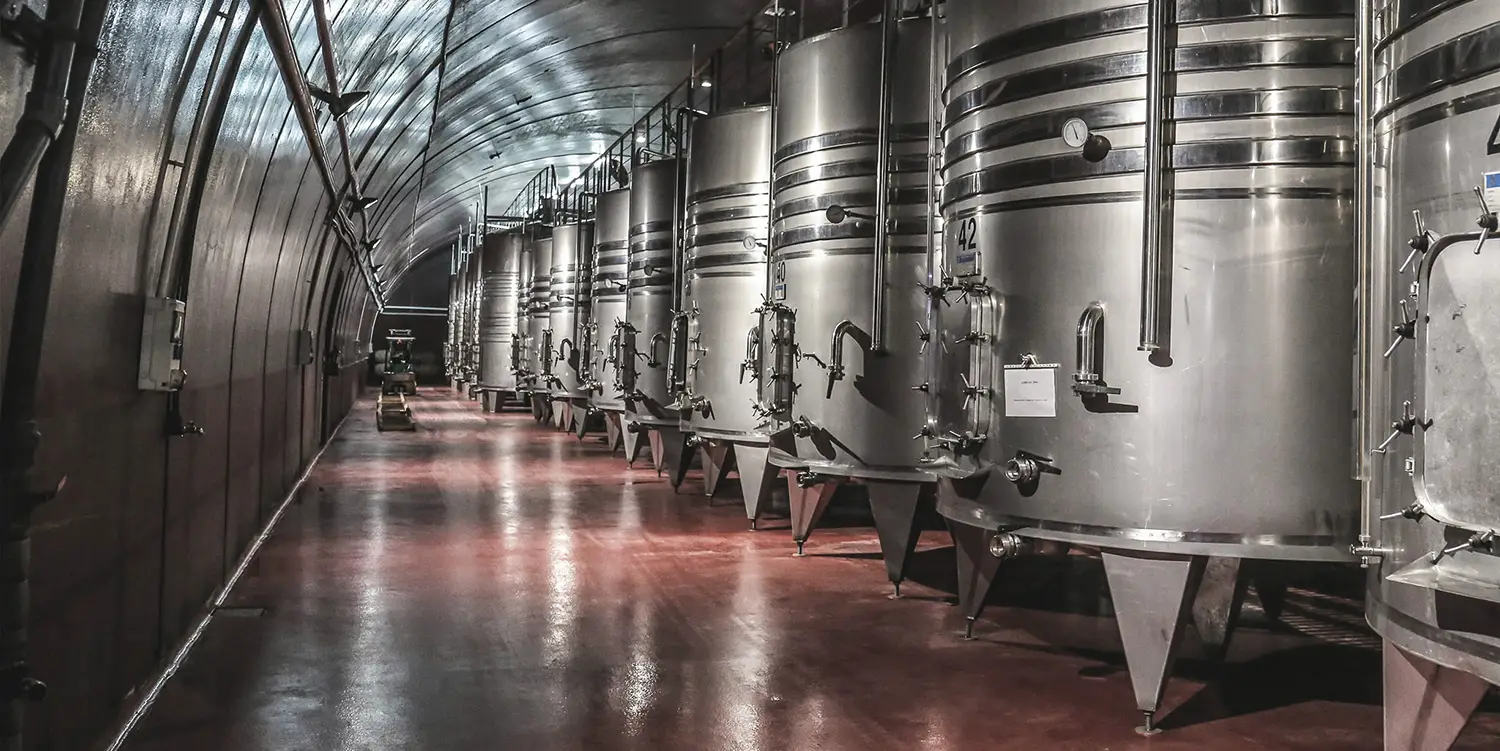
Global Beverage Group, Northern Europe
Status: Active
A renowned international beverage group managing a diverse portfolio of brands, each with its own heritage, voice, and audience. We designed a flexible system that balances individuality with a shared DNA of quality and clarity. Through tokenization, theming, and reusable components, the system enables cohesive digital experiences while preserving distinct brand character – crafted with the same precision as the products themselves.
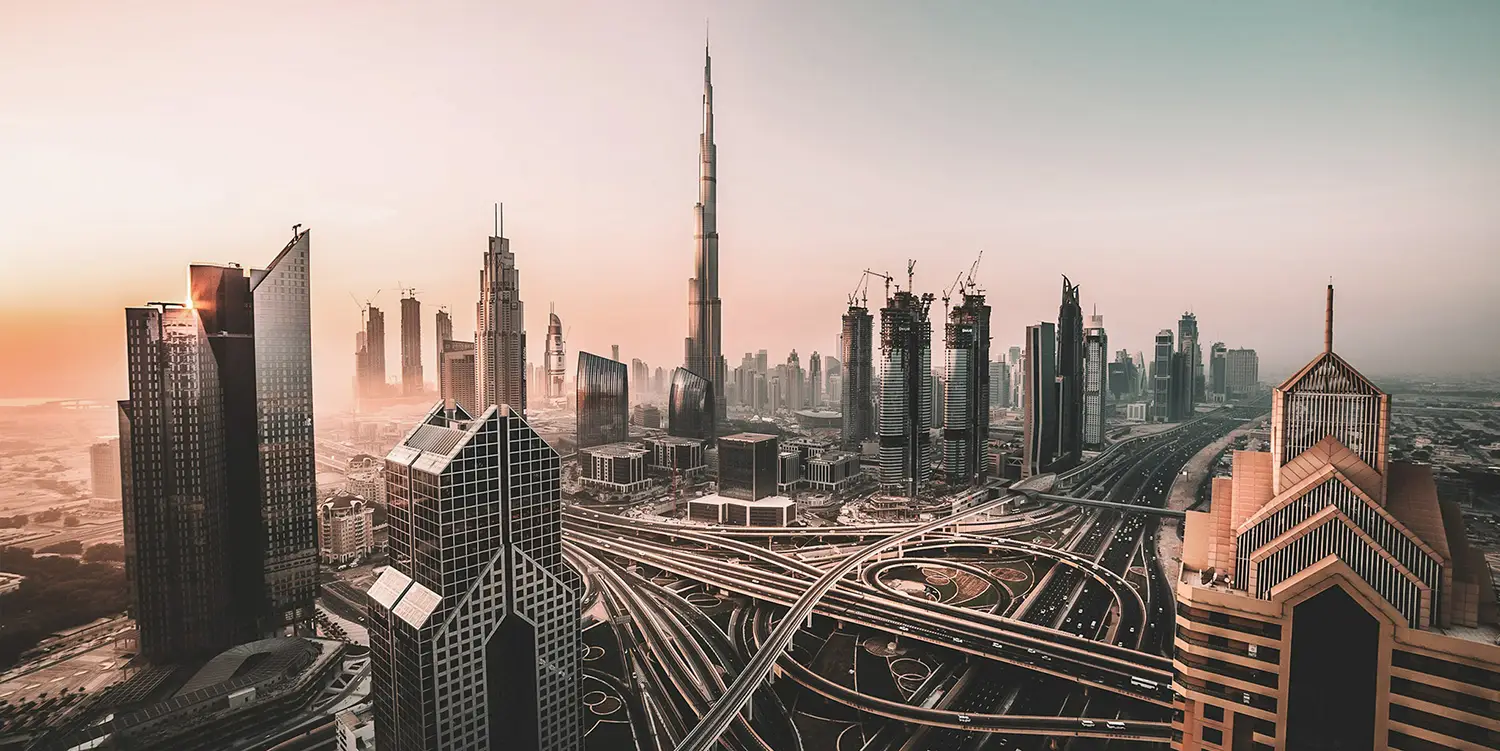
Cultural Destination & Development Authority, Middle East
Status: In Progress
A landmark destination project rooted in deep cultural heritage and national identity, redefining how history meets contemporary experience. We are building a multi-brand design system that brings all digital experiences together under one coherent framework. From foundational color tokens to full documentation, the system creates consistency at scale – bridging tradition and innovation across platforms, audiences, and moments.
©2026. All rights reserved.
